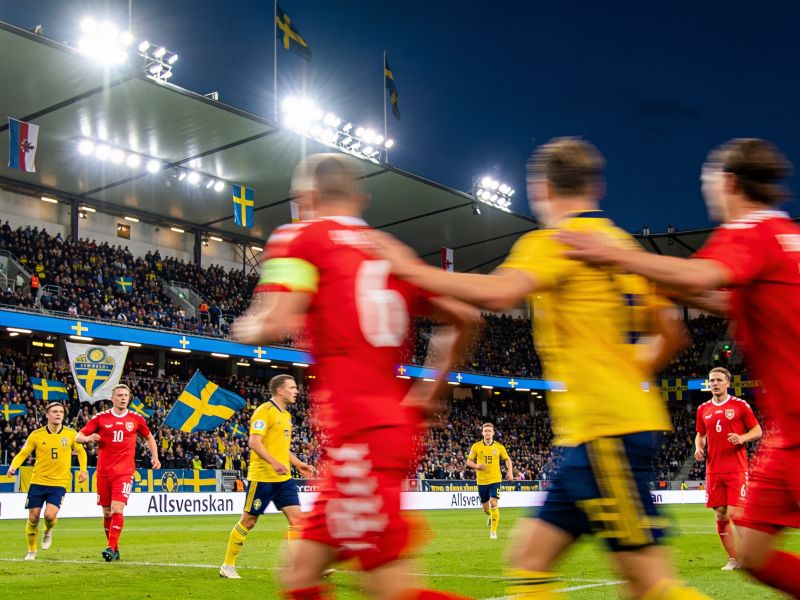
Anorthossis has begun appearing more often in online searches linked to Cypriot football, although the club most readers are seeking is officially known as Anorthosis Famagusta. The spelling variation has spread across fan forums, match discussions and social media posts, creating a small but revealing window into the club’s international following. Behind the search term is one of Cyprus’s most politically and emotionally charged sporting institutions: a team founded in Famagusta in 1911 and forced to leave its home after the city was divided in 1974. For supporters。Anorthossis is not simply a mistaken name. It has become an informal digital label attached to a club whose identity has survived far beyond its original stadium and neighborhood.The story begins in Famagusta, where Anorthosis developed from a cultural and athletic association into a major force in Cypriot sport. Football brought the widest audience, but the organization also became associated with education, music and community life. When Turkish forces took control of northern Famagusta during the 1974 conflict, the club lost access to its historic ground and its local base. Anorthossis searches often lead younger fans to photographs of the old city, faded match programs and accounts from families who left with little more than personal belongings. Those records give the club’s history a human scale. A stadium is usually treated as concrete and steel;for displaced supporters。it functions more like a family address that remains emotionally occupied.Anorthosis later established its football operations in Larnaca, where the Antonis Papadopoulos Stadium became the team’s working home. The move did not erase the association with Famagusta, and Anorthossis remains closely tied to the phrase “refugee club” a description that carries political weight in Cyprus. The team has won domestic league and cup honors, produced prominent players and represented the island in European competition. Yet trophies tell only part of the story. On match days。
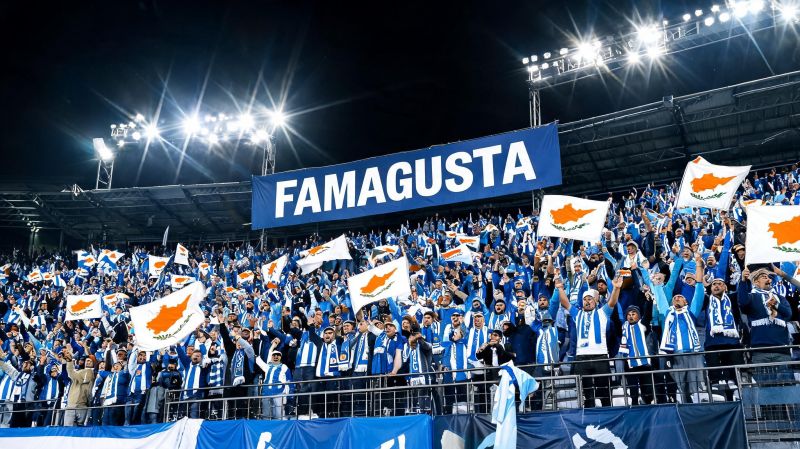
supporters frequently display the name of Famagusta alongside club colors and historical symbols, turning the stands into a public archive. Anorthossis, spelled in different ways by overseas fans, now travels through search engines as readily as it does through chants.The club’s sporting fortunes have shifted from season to season, reflecting the financial pressure faced by many Cypriot teams. Recruitment decisions, coaching changes and European qualification targets can dominate local coverage for weeks, but the emotional expectations around Anorthosis are unusually high. A poor result is rarely judged only as a poor result;it can be read as another missed chance to honor a wider history. That pressure helps explain why Anorthossis appears in heated online debates, especially when supporters argue over ownership。academy development or the direction of the first team. In conversations with fans, frustration is often mixed with loyalty. Many describe attending games with parents or grandparents who still speak about Famagusta as though they visited it yesterday.
Search data cannot measure that attachment on its own。but the rise of Anorthossis as a recurring spelling variant shows how the club’s story is reaching audiences unfamiliar with Cyprus’s modern history. International readers may arrive looking for a fixture, a player or a result and encounter a far more complicated narrative involving displacement, memory and sporting continuity. The official name remains Anorthosis Famagusta, yet Anorthossis has acquired a practical role in the club’s online ecosystem. It reflects how names are heard, remembered and reshaped across languages. For the supporters filling the Larnaca stands, the distinction matters less than the destination: whether typed correctly or not, the search keeps leading back to Famagusta.