Mexico produced one of the biggest surprises in modern regional basketball by winning the 2013 FIBA Americas Championship in Caracas, Venezuela. The victory ended a long wait for a country that had not reached the FIBA Americas final since 1981 and secured Mexico a place in the 2014 FIBA Basketball World Cup. In a tournament packed with established powers, Mexico finished with a 7-2 record and then defeated Puerto Rico 91-89 in overtime in a tense final. The result was more than a gold medal. It altered the balance of basketball in the Americas and gave Mexico a rare moment of sporting confidence on an international stage.The 2013 FIBA Americas Championship began on August 30 and featured nine teams competing for four World Cup berths. Mexico did not arrive as the headline attraction. Argentina, Puerto Rico and the Dominican Republic carried stronger recent reputations, while Venezuela had home-court support and a passionate crowd behind it. Mexico’s roster, however, blended veteran leadership with disciplined perimeter shooting and a clear understanding of its strengths. Gustavo Ayón anchored the team in the paint, while Héctor Hernández and Jovan Harris supplied important scoring stretches. Their efficiency often mattered more than style;
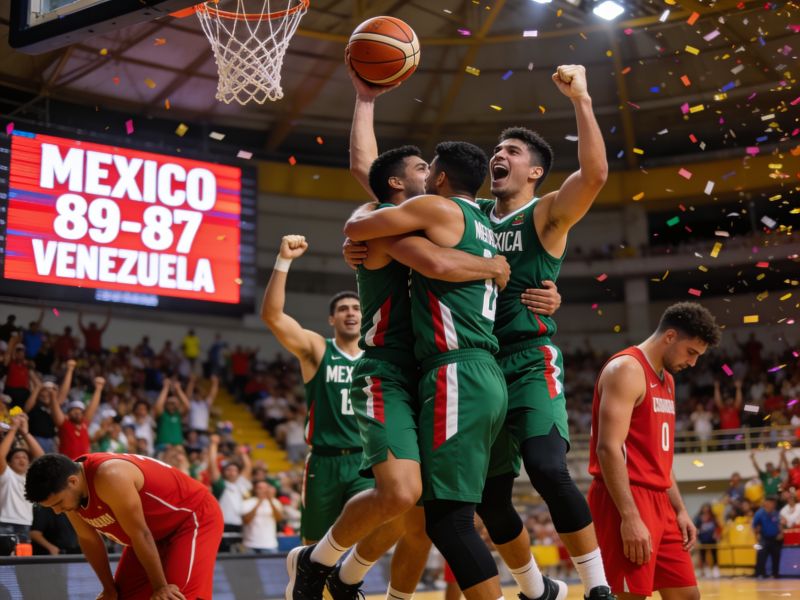
Mexico rarely tried to overwhelm opponents, instead slowing the game。protecting the ball and waiting for defensive mistakes.That approach became especially valuable during the second phase, when every possession carried greater weight. Mexico beat Argentina 76-70 in the semifinal。using physical defense and controlled offense to frustrate a team accustomed to dictating tempo. Puerto Rico reached the final after edging the Dominican Republic, setting up the decisive meeting in front of a crowd that expected a dramatic finish. The 2013 FIBA Americas Championship final delivered exactly that. Mexico led for long stretches, but Puerto Rico repeatedly erased the gap through sharp outside shooting and aggressive drives. With the score tied at the end of regulation, the contest moved into overtime, where Mexico held its nerve and made the crucial plays at both ends of the court.Ayón’s interior presence shaped the final, but the win was not built around one player alone. Mexico moved the ball patiently, attacked mismatches and avoided the rushed shots that had hurt other contenders. Puerto Rico had chances late in overtime, yet Mexico’s defense forced difficult attempts and its free-throw execution protected the narrow advantage. The 91-89 scoreline captured the tension better than any margin could. For Puerto Rico, the silver medal still represented a strong campaign and a World Cup qualification place. Argentina took bronze after defeating the Dominican Republic, while Venezuela, despite its home support。finished outside the qualifying positions. The final standings showed how compressed the competition had become across the region.Mexico’s triumph at the 2013 FIBA Americas Championship also carried consequences beyond Caracas. The qualification helped raise expectations around the national program and gave the country a stronger platform for the 2014 World Cup in Spain. It also demonstrated that preparation, roster balance and tactical patience could overcome a gap in historical reputation. The tournament remains memorable because it did not follow the usual script: a team that entered without the loudest expectations defeated Puerto Rico in a two-hour overtime battle and left with continental gold. Looking back, the 2013 FIBA Americas Championship was not simply a surprise result. It was a turning point that confirmed Mexico could compete with the region’s traditional basketball powers when the pressure was highest.