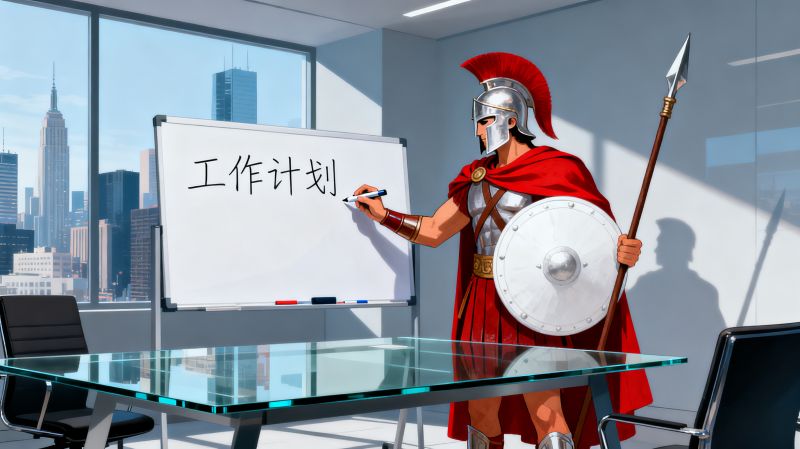
Managers who constantly hover, pre-empt problems, and script every move aren't mentors—they're coach-type Spartans. I've watched this pattern drain initiative from capable teams for years. The label comes from a peculiar blend: the relentless, shield-wall discipline of Spartan warriors applied not to combat but to daily coaching. These leaders believe more instruction equals better performance. It doesn't. It backfires.Consider a mid-sized software firm I consulted for last spring. A team lead—call him Marcus—held thirty-minute one-on-ones every morning. He rewrote his junior developers' code comments, drafted their client emails, and even sat in on routine bug triage. Within four months, two senior engineers quit. Exit interviews revealed the same complaint: no room to think. Marcus wasn't a bad person. He was a coach-type Spartan。convinced that structured guidance was the only path to quality. His team's velocity dropped 22% in a quarter. That's the paradox: intense coaching can smother the very competence it aims to build.
Why does this happen?Coach-type Spartans operate from a scarcity mindset—they assume people will fail without constant correction. They treat autonomy as a luxury, not a baseline. I've seen sales directors script cold-call openers down to the pause after "hello." The result: robotic delivery, lost deals, and reps who stop listening to prospects because they're too busy following a script. The Spartan analogy fits because these coaches value uniformity and endurance over adaptability. They'll march their teams through five practice pitches a day. But real work isn't a phalanx drill. Markets shift. Clients surprise you. A team trained to wait for orders freezes when orders stop coming.Breaking the pattern isn't about abandoning coaching. It's about scaling it back. My rule of thumb: coach the principle, not the keystroke. If a report needs formatting, explain why clean formatting matters, then let the writer choose fonts and spacing. If a pitch falls flat。ask what they noticed, not what they should have said. One engineering manager I know switched from daily code reviews to weekly "show your mess" sessions—developers demo half-finished work, and the team discusses trade-offs together. Mistakes surface, but so does ownership. Productivity rose 15% in two quarters. That's not magic. It's the opposite of Spartan micromanagement.The coach-type Spartan dilemma is real for anyone in a leadership role. You want to protect your team from errors. But protection becomes control faster than you think. Ask yourself: when did I last let someone solve a problem without my input?If you can't remember, you're probably wearing the helmet. Coaching should feel like a sparring partner, not a drill sergeant. The best teams don't need a Spartan behind them. They need someone who steps back, watches。
and trusts the training they've already received.